 Published: 2022
Author: Jessica S. Olson
Genres: Gothic Fantasy, Young Adult Mystery
Audience: Grade 12+, Adult
Number of Stars: ★★★★☆ (4/5)
Goodreads Link: A Forgery of Roses
Content Warnings: Abuse, emotional manipulation, violence, body horror, self-harm (for magic rituals), and casual racism.
Publisher’s Summary
In a world where art can alter the flesh, Myra is a “Prodigy”—an artist whose portraits can physically change or heal the subjects they depict. It is a talent she must hide at all costs to keep her chronically ill younger sister safe. But when the governor’s wife discovers Myra’s secret, she blackmails her into a impossible task: resurrecting the governor’s dead son, Will, through a portrait.
Upon arriving at the family’s legendary stone mansion, Myra realizes Will’s death was no accident. Enlisting the help of the governor’s older son, August—a quiet poet with secrets of his own—Myra races to uncover the truth behind the murder. But in a house full of glittering halls and dark shadows, Myra’s own magic may make her the killer’s next victim.
Full Review
A Forgery of Roses is a gripping blend of gothic fantasy and “whodunit” mystery. Myra is a compelling protagonist whose primary motivation is sisterly love and sacrifice. Living in poverty and caring for her ill sister, Myra is vulnerable to the whims of the wealthy and powerful governor’s family, who use their status to manipulate her into performing forbidden magic.
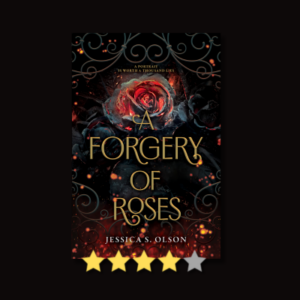
The magic system is unique and visceral—seeing art as a literal tool for biological change adds a layer of “body horror” that fits the gothic aesthetic perfectly. I enjoyed the building tension between Myra and August as they navigated the mansion’s shadowed affairs. Students who are interested in art or thrillers will likely be drawn to this story. The cover, featuring a glowing rose against a dark gothic print, is sure to spark interest on any library display.
🎨 The Magic of the Prodigy: Art as Biology
In the world of A Forgery of Roses, the “Prodigy” magic functions through a supernatural connection between the canvas and the living body.
Societal Inequality and the Abuse of Power
The novel serves as a critique of how those in power exploit the marginalized.
| Group | Social Status | Relationship to Magic |
| The Governor’s Family | High / Ruling Class | View magic as a tool to be bought, sold, or coerced for personal gain. |
| Prodigies (like Myra) | Low / Outcast | Viewed as “sinful” or forbidden, yet hunted for their utility. |
| The Ill/Impoverished | Marginalized | Lack access to the healing “magic” controlled by the elite. |
🎒 Classroom & Curricular Connections
- Visual Arts (Symbolism): > Activity Idea: Have students create their own “Prodigy” artwork. They must create a symbolic portrait that represents a core theme of the story (e.g., Sacrifice, Secrets, or Control) and explain how the visual elements would “alter” reality.
- ELA (Gothic Tropes): Analyze the setting of the “legendary stone mansion.” How does the architecture reflect the emotional state of the characters? Discuss common gothic elements like isolation, family secrets, and the “damsel in distress” subversion.
- Ethics & Social Justice: Discuss the power dynamic between Myra and the Governor’s wife. How does economic status limit a person’s ability to consent?
- Creative Writing: Write a reflective journal entry from Myra’s perspective during her first night in the mansion. Focus on the sensory details of her anxiety and her “Prodigy” senses.
- Character Analysis: Trace Myra’s development from a girl motivated purely by fear for her sister to a woman who seeks justice and truth for herself.