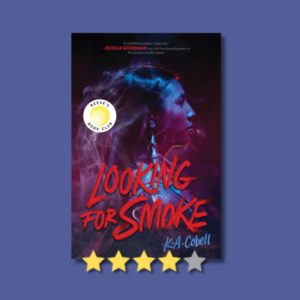
 Published: 2021
Author: Faith Gardner
Genres: YA Fiction, Mental Health, Realistic Fiction
Audience: Grades 9–12, Adult
Number of Stars: ★★★★☆ (4/5)
Goodreads Link: Girl on the Line
Content Warnings: Suicide attempt (past), Bipolar II disorder, depression, and discussions of mental health crisis.
Publisher’s Summary
Life is tough when you didn’t expect to be living it. After a suicide attempt that didn’t end the way she planned, eighteen-year-old Journey is forced to figure out what her future is supposed to look like. Her parents are walking on eggshells, her best friend doesn’t know what to say, and her new diagnosis of Bipolar II disorder feels like it might swallow her whole.
But amid the struggle, there are revelations. Journey begins volunteering at a crisis hotline, finding a community that is simultaneously as strong and broken as she is. There, she meets Etta, a girl who helps her uncover a light within herself she didn’t know existed. As Journey navigates her “second chance,” she realizes that while the pain is fresh, hope is also surprisingly resilient.
Full Review
Girl on the Line is a sensitive and deeply necessary portrayal of the “after”—the period of life following a mental health crisis. Faith Gardner captures the non-linear path of healing with incredible honesty. Journey’s struggle with her Bipolar II diagnosis is particularly well-handled; she feels isolated, broken, and disconnected from her “former” self, a sentiment many students silently struggle with.
The heart of the book lies in Journey’s work at the crisis hotline. By helping others, she begins to understand the ripple effects of her own actions and finds a sense of purpose. Her relationship with Etta adds a beautiful layer of self-discovery, as Journey realizes she is bisexual. The book moves between past and present, regrets and hopes, showing that support and connection are the ultimate lifelines. This is a powerful read for anyone looking to understand the complexities of mental illness and the quiet strength it takes to keep going.
📞 The Role of Crisis Intervention
Journey finds her footing while volunteering at a crisis hotline. These centers use specific psychological frameworks to help individuals in distress.
The Impact of the Hotline on Journey
- Perspective: Hearing others’ stories helps her realize she isn’t the only one feeling “broken.”
- Accountability: Interacting with a recurring caller helps her see how her own attempt affected her loved ones.
- Empowerment: Transitioning from “patient” to “helper” allows her to reclaim her agency and voice.
🎒 Classroom & Curricular Connections
- Health & Wellness (Mental Health Awareness): Use the book to discuss the reality of living with a chronic mental health condition.
-
Activity Idea: Discuss “Healing isn’t linear.” Have students create a visual representation (a map or a timeline) of Journey’s ups and downs. Where are the turning points?
-
- ELA (Identity & Self-Discovery): Explore Journey’s journey toward identifying as Bisexual.
-
Activity Idea: Discuss how the author weaves Journey’s sexuality into her overall recovery. How does finding love/attraction contribute to her desire for a future?
-
- Social-Emotional Learning (Empathy): > Activity Idea: Brainstorm strategies for supporting a friend who is struggling. Using the characters in the book (like the best friend or parents) as examples, discuss what was helpful and what was unintentionally hurtful.
- Psychology (Coping Mechanisms): Analyze the “Hotline” method.
-
Activity Idea: Research the 988 Suicide & Crisis Lifeline. What are the steps professional counselors take to help a caller stay safe? How does this mirror or differ from Journey’s experience?
-