 Published: 2023
Series: N/A
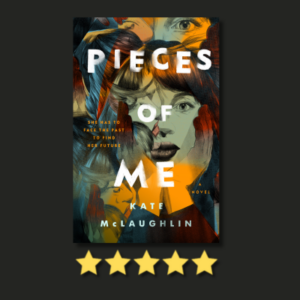
Author: Kate McLaughlin
Illustrator: N/A
Genres: Young Adult, Mental Health, Contemporary, Fiction, Mystery, Realistic Fiction, Thriller, Family, Mental Illness, PTSD, Relationships
Audience (Grade Levels): 9th–12th Grade (Mature high school students)
Number of Stars: ⭐⭐⭐⭐⭐ (5/5 Stars)
Goodreads Link: Pieces of Me
Triggers: Suicide, sexual assault, mental illness
Review By: Stephanie Kenific
Publisher’s Summary:
The next gut-punching, compulsively readable Kate McLaughlin novel, about a girl finding strength in not being alone.
When eighteen-year-old Dylan wakes up, she’s in an apartment she doesn’t recognize. The other people there seem to know her, but she doesn’t know them – not even the pretty, chiseled boy who tells her his name is Connor. A voice inside her head keeps saying that everything is okay, but Dylan can’t help but freak out. Especially when she borrows Connor’s phone to call home and realizes she’s been missing for three days. Dylan has lost time before, but never like this.
Soon after, Dylan is diagnosed with Dissociative Identity Disorder, and must grapple not only with the many people currently crammed inside her head, but that a secret from her past so terrible she’s blocked it out has put them there. Her only distraction is a budding new relationship with Connor. But as she gets closer to finding out the truth, Dylan wonders: will it heal her or fracture her further?
Review:
I was nervous about this book because there are so many terrible depictions of DID, but the author handled the subject matter with profound empathy that I learned came from her own experience with a former friend who was diagnosed with DID. The nuances of DID are covered with immense sensitivity and even a sense of pride–Dylan realizes that her mind is so strong and protective that she survived a traumatic experience with a truly unique coping mechanism. The negative impacts of DID are of course conveyed, especially before Dylan even learns that she has DID and is trying to determine why she is losing time and blacking out when not drinking. She ends the novel not sure if her goal is to have her different selves to integrate someday or if she should learn to coexist with them as peacefully as possible. I learned a great deal about the diagnosis and how it can be totally different from person to person–not all people with DID have the same experiences in any sense. The book would very much appeal to mature high school students. It is fast-paced and full of interesting developments that would keep reluctant readers’ interests up in spite of its length. There are very heavy topics like suicide but nothing is written in a graphic way. This text revolves around DID as its main and really only plot. I suspect that a major part of the author’s intention here was to produce a really good book about a character with DID, and she very much has. At the same time, there is not a lot of room for supporting characters and subplots. Dylan’s family is by and large very supportive, and her parents have more than enough money to spend on her hospitalization and therapies. This is addressed during the book, but I have to imagine that many people with DID would not be from similar socioeconomic backgrounds. It would make for a seriously depressing book to have a character with DID mired in poverty as well, so I do understand the choice on the part of the author. Overall, it’s a book that I would absolutely recommend to others in spite of its minor flaws.
Classroom & Curricular Connections:
This sensitive, fast-paced realistic fiction title offers high school librarians and educators an excellent resource to unpack complex mental health narratives, challenge stigma, and examine how media literacy shapes our understanding of psychological conditions.
- Deconstructing Mental Health Tropes (ELA / Media Literacy): Because Dissociative Identity Disorder (DID) is historically misrepresented in pop culture as a “villain” trope, have students compare Dylan’s realistic, internal experience with common cinematic or literary depictions. Students can evaluate how Kate McLaughlin uses first-person narrative framing to center empathy and survival rather than sensationalism.
- Psychology & Socioeconomic Access (Social Studies / Health): Connect the text to real-world healthcare discussions. Have students research the actual diagnostic criteria and treatment pathways for DID. Use the reviewer’s note about Dylan’s wealthy background as a discussion springboard: How do socioeconomic status, health insurance, and financial stability impact a person’s ability to receive proper psychiatric treatment and long-term therapeutic care?
- Social-Emotional Learning (SEL): Focus on the themes of trauma recovery and internal resilience. Dylan discovers that her mind fractured as a protective shield to keep her alive. Lead a guided discussion or journal reflection on the concept of coping mechanisms, exploring the difference between adaptive strategies (how our brains protect us during trauma) and the ongoing path toward healing and self-acceptance.
- Extension Activity – Interactive Case Study: In small book clubs or literature circles, have students trace Dylan’s timeline from her initial “lost time” blackout to her diagnosis. Ask students to map out the supportive behaviors displayed by her family and her boyfriend, Connor, creating a resource guide or infographic on “How to Support a Peer Navigating a Complex Health Crisis.”