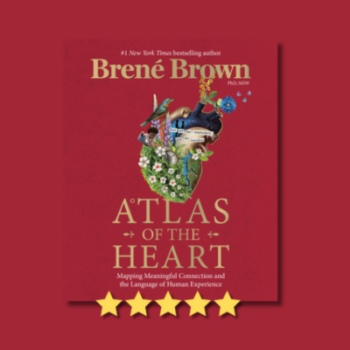
Brené Brown’s Atlas of the Heart is an essential “GPS” for the human experience. Mapping 87 distinct emotions, this guide provides the language necessary for true connection and self-awareness. For educators and counselors, it’s a powerful tool for Social-Emotional Learning (SEL), helping students name their feelings to reclaim their power. A must-read for anyone looking to build a more empathetic and resilient school community.
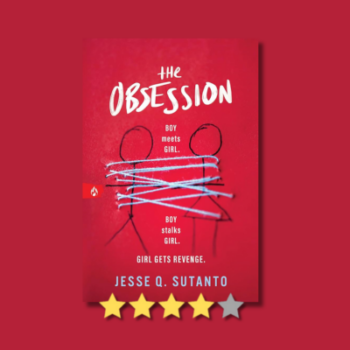
Jesse Q. Sutanto’s The Obsession is a chilling thriller that deconstructs the “perfect romance.” When a stalker witnesses his crush committing a crime, a deadly game of survival begins. Exploring the thin line between devotion and danger, this novel is a gripping look at toxic dynamics and digital privacy—perfect for older teens who enjoy psychological tension and morally gray characters. Note: Best suited for Grade 12+ due to mature themes of manipulation.
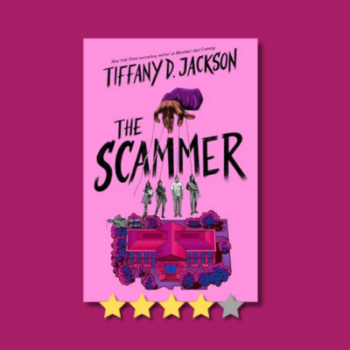
In The Scammer, Tiffany D. Jackson delivers a chilling look at psychological manipulation on a college campus. When an ex-convict brother moves into a freshman dorm at a D.C. HBCU, the “American Dream” turns into a web of secrets and missing persons. Sharp, suspenseful, and deeply relevant, this “New Adult” thriller explores the dangerous price of being a “good friend” and the resilience required to break free from a predator’s control.
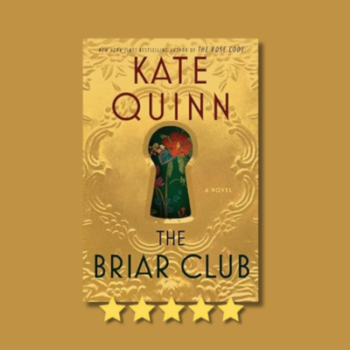
Amid the paranoia of the Red Scare, a group of diverse women finds courage and “chosen family” under the guidance of a mysterious newcomer. Through multiple perspectives, this 5-star thriller explores female solidarity and the dangerous cost of keeping secrets. It’s an essential read for students studying McCarthyism or the changing roles of women in postwar America.
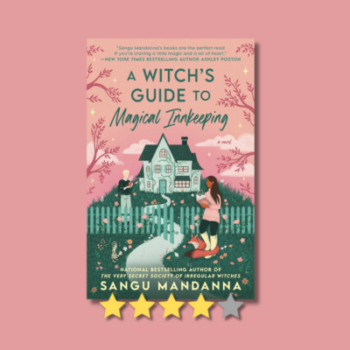
A Witch’s Guide to Magical Innkeeping is a heart-centered “cozy fantasy” that proves community is more powerful than any spell. Following a disgraced witch and her misfit “found family” at a sentient inn, Sangu Mandanna explores grief and self-worth with humor and incredible diversity. While it contains one explicit scene for adult readers, its themes of neurodivergence and inclusivity make it a standout for discussions on belonging and identity.