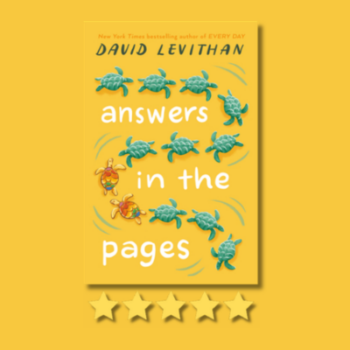
Answers in the Pages is a bold, contemporary novel tackling the real-world issue of book banning. When a mother attempts to censor a classroom book over perceived LGBTQIA+ themes, her son is caught in the crossfire.
Fresh Reads, Honest reviews, Educator-approved
Answers in the Pages is a bold, contemporary novel tackling the real-world issue of book banning. When a mother attempts to censor a classroom book over perceived LGBTQIA+ themes, her son is caught in the crossfire.
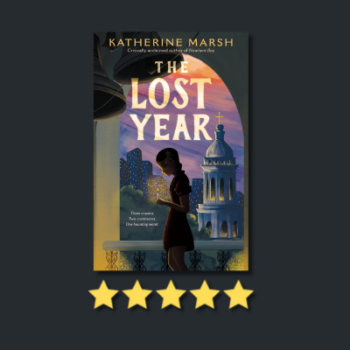
Katherine Marsh’s The Lost Year is a brilliant, dual-timeline novel that interweaves a teen’s isolation during the COVID-19 pandemic with a shocking family secret from the 1930s Soviet Ukraine Holodomor. Rich in historical relevance and emotional depth, this highly relatable book is an essential addition to middle and high school libraries, perfectly bridging past conflicts with contemporary themes of resilience, media literacy, and global equity.
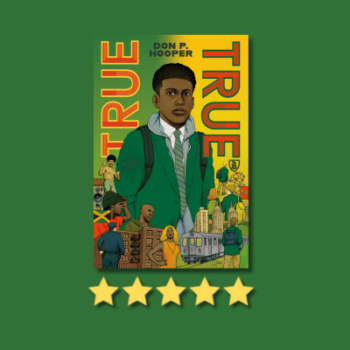
Don P. Hooper’s gripping YA debut, True True, is a powerful, addition to high school libraries. Following a Black Brooklyn teen navigating a hostile Manhattan prep school using Sun Tzu’s The Art of War, this fast-paced contemporary novel masterfully tackles institutional racism and performative diversity. It is an enticing, thought-provoking read that will keep students hooked while sparking vital conversations about equity, identity, and resilience.
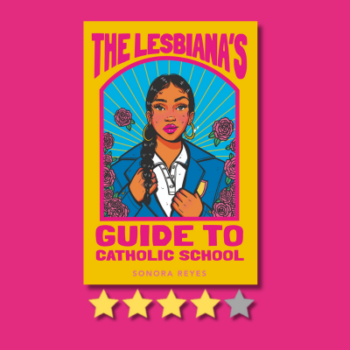
Sonora Reyes’s debut, The Lesbiana’s Guide to Catholic School, is a brilliantly witty and deeply moving novel about identity, family, and self-acceptance. Subverting classic tropes with uniquely lovable, nuanced characters, this story handles heavy themes like homophobia and suicidal ideation with incredible tenderness and care. It is a highly recommended, essential contemporary realistic addition for any high school library collection or diverse young adult display.
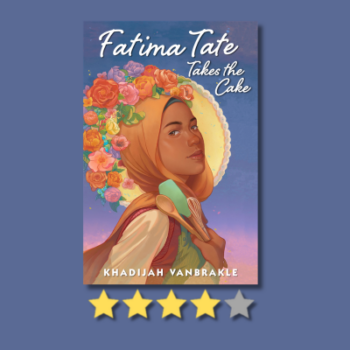
Khadijah VanBrakle’s Fatima Tate Takes the Cake is a powerful, intersectional coming-of-age story that gives a necessary voice to young Black Muslim women. Balancing the joy of baking with a serious look at relationship manipulation, agency, and community expectations, this engaging novel is an essential recommendation for high school librarians and educators aiming to expand their contemporary realistic fiction collections with authentic, deeply relatable diverse narratives.