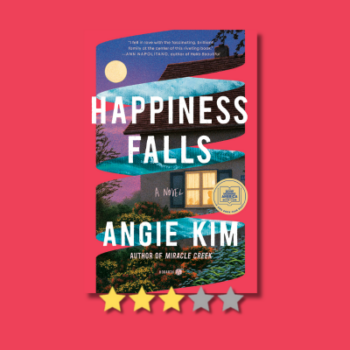
Part mystery, part psychological study, Happiness Falls explores the disappearance of a father through the eyes of his biracial Korean-American family. With a heavy focus on Angelman Syndrome and nonverbal communication, Angie Kim challenges our perceptions of intelligence and disability. Though dense with scientific footnotes, this 3-star novel is a profound inquiry into how we understand those who cannot speak, making it a must-read for psychology and special education enthusiasts.
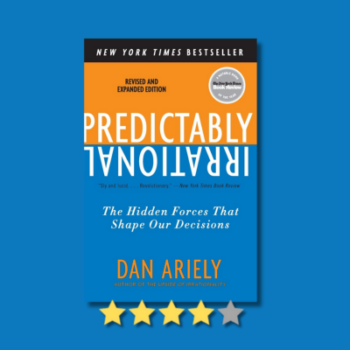
Why do we overpay for “free” items? Dan Ariely’s Predictably Irrational is a 4-star deep dive into the quirky, systematic biases that drive our decisions. From the placebo effect to the hidden cost of “zero,” this book reveals that our mistakes aren’t random—they are predictable. A must-read for high schoolers and educators alike, it offers fascinating insights into economics and psychology that will forever change how you shop, study, and think.
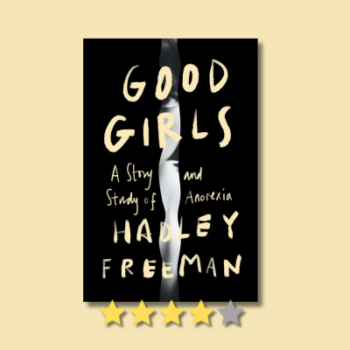
Hadley Freeman’s Good Girls is a searingly honest memoir that deconstructs the “perfect” facade of anorexia. By blending her personal 20-year struggle with cutting-edge research on metabolism, OCD, and neurodivergence, Freeman offers adults a vital window into the anorexic mind. This 4-star read is an essential, albeit heavy, resource for counselors and parents looking to understand the cultural and biological pressures that drive disordered eating in adolescents.
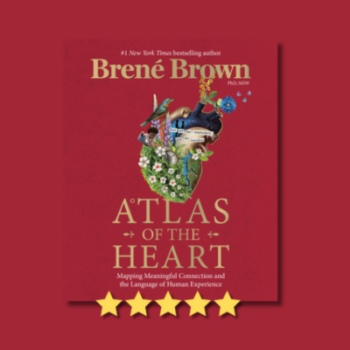
Brené Brown’s Atlas of the Heart is an essential “GPS” for the human experience. Mapping 87 distinct emotions, this guide provides the language necessary for true connection and self-awareness. For educators and counselors, it’s a powerful tool for Social-Emotional Learning (SEL), helping students name their feelings to reclaim their power. A must-read for anyone looking to build a more empathetic and resilient school community.