 Published: 2022
Series: N/A Author: Tyler Page
Illustrator: Tyler Page
Genres: Graphic Novel, Memoir, Mental Health, Graphic Novels, Middle Grade, Nonfiction, Biography, Comics, ADHD, Family
Audience (Grade Levels): Upper Middle School / High School / Grades 7-12
Number of Stars: ⭐⭐⭐⭐⭐
Goodreads Link: Button Pusher
Triggers: Childhood trauma, domestic friction/parental arguments, impulsive dangerous behaviors, and emotional distress
Review By: Corinne Blair
Publisher’s Summary:
A memoir-driven realistic graphic novel about Tyler, a child who is diagnosed with ADHD and has to discover for himself how to best manage it. Tyler’s brain is different. Unlike his friends, he has a hard time paying attention in class. He acts out in goofy, over-the-top ways. Sometimes, he even does dangerous things―like cut up a bus seat with a pocketknife or hang out of an attic window. To the adults in his life, Tyler seems like a troublemaker. But he knows that he’s not. Tyler is curious and creative. He’s the best artist in his grade, and when he can focus, he gets great grades. He doesn’t want to cause trouble, but sometimes he just feels like he can’t control himself. In Button Pusher , cartoonist Tyler Page uses his own childhood experiences to explore what it means to grow up with ADHD. From diagnosis to treatment and beyond, Tyler’s story is raw and enlightening, inviting you to see the world from a new perspective.
Review:
Tyler Page’s Button Pusher is an exceptional, raw, and enlightening graphic memoir that explores the complexities of growing up with Attention-Deficit/Hyperactivity Disorder (ADHD). Written and illustrated by Page, this graphic novel acts as an intimate coming-of-age chronicle tailored beautifully for upper middle school and high school readers. The story centers on a young Tyler, a creative and highly artistic boy whose neurodivergent brain causes him to struggle deeply with classroom attention and impulse control. Frequently mislabeled as a “troublemaker” by the frustrated adults in his circle, Tyler navigates a turbulent childhood landscape that balances his internal struggles with the external chaos of an unstable household. The book masterfully tracks his journey from an initial childhood diagnosis through various stages of medical treatment, tracking how he gradually learns to advocate for his own mental well-being while surviving the standard trials of growing up.
I loved this book. I am not a huge fan of graphic novels BUT am learning to enjoy them more and more. This is a Battle of the Book pick for our 7&8th graders so I decided to read it. I think it does a wonderful job of giving a case study of ADHD and showing how it can present, evolve, and be so easily dismissed. I think another important aspect that it shows is that ADHD is often paired with some sort of childhood trauma, and that it is very likely hereditary, which are two things that I feel are too rarely discussed. As a teacher, I found it extremely helpful to get a view into what it is like to grow up with ADHD and with parents who are struggling in their own relationship. I found myself thinking of many students I have had over the years and how they must have felt/feel. I liked how it talked about the dad also having a hard time with his own issues. I found it unique the way actual facts about ADHD were sprinkled in as well as a doctor’s report explaining each visit. I think it added a unique twist to the story. For me, this book was a much needed window and will continue to recommend this book to educators, parents and students.
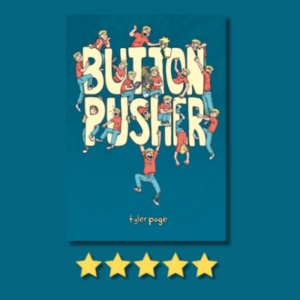
Page’s structural organization is top-tier; the inclusion of medical documents and scientific data segments adds an informative, objective layer that perfectly balances the deeply emotional narrative arc. His artistic style utilizes expressive, clear linework that visually mirrors the overwhelming sensory overload and frantic pacing of an ADHD mind, letting the emotional struggles jump right off the page. The dynamic, highly engaging cover design is incredibly eye-catching and perfectly calculated to attract middle and high school students browsing library displays. I award this book a full 5 stars, recognizing its stellar blend of storytelling, medical accuracy, and authentic emotional vulnerability. It is a vital resource for school librarians, counselors, and educators seeking to foster genuine empathy and neurodiverse awareness within secondary school communities.
Classroom & Curricular Connections:
- Health / Social-Emotional Learning (SEL): Connects flawlessly to mental health curricula, specifically units focused on neurodiversity, self-advocacy, de-stigmatizing ADHD, and understanding how childhood trauma intersects with behavioral development.
- ELA / Literary Nonfiction: An excellent mentor text for examining the graphic memoir format, structural formatting (such as integrating real informational data panels into a personal narrative), and autobiographical voice.
- Extension Activity / Library Application: This title serves as a perfect selection for middle school Battle of the Books programs, high school independent reading, or library book clubs centered on mental wellness. As an extension activity, students can examine how Page uses visual metaphors to represent focus and distraction, then design their own single-page comic strip illustrating how their own brains feel when encountering a major stressor or passion project.
- Diversity & Representation: Button Pusher provides meaningful, rare representation for neurodivergent youth by offering an authentic “window” into the lived reality of a child with ADHD. Rather than presenting a sanitized version of the disorder, it highlights the intersection of hereditary traits, mental health stigmas, and domestic struggles with profound dignity and equity.
Readalikes:
- Hey, Kiddo by Jarrett J. Krosoczka
- Guts by Raina Telgemeier
- Dumbest Idea Ever! by Jimmy Gownley