 Published: 2022
Series: N/A
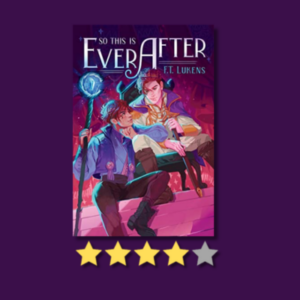
Author: F.T. Lukens
Illustrator: N/A
Genres: Fantasy, Romance, LGBTQ+, Young Adult
Audience (Grade Levels): Grades 8-10
Number of Stars: ⭐⭐⭐⭐
Goodreads Link: So This Is Ever After
Triggers: Mention of death (off-screen demise of the heir), mild fantasy violence/beheading (played for comedy).
Review By: Anonymous
Publisher’s Summary:
Review:
This novel fell into the “chosen one” trope. Fantasy novels often fall into tropes that wind up being predictable, corny, and/or disappointing. This novel did fall into some tropes, however the novel was self aware that it was being cliche. The purpose of this novel is to show what happens to the main character after the novel ends. The novel, of course, shows us what happens to Arek after his adventure, but it helps us to think about what might have happened after the other cliche fantasy novels ended.
This novel has plenty of representation, including characters of color and LGBT+ characters. The kind and lighthearted romance in this novel is very reminiscent of a romantic comedy. Often, novels that have representation either end in tragedy or have a highly complex plot. An LGBT+ story that is more sweet and simple is less common than the alternative.
While the predictable plot and lighthearted content may be refreshing for the genre, it did not challenge the tropes in the way that I was hoping. It was an incredibly easy read that did not require any deep thought. The language was simple, often not acting as descriptive as I had hoped.
I would recommend this novel to anyone who has a love for fantasy and needs something uplifting to read.
Classroom & Curricular Connections:
- ELA (English Language Arts): This book serves as an excellent case study for analyzing traditional hero archetypes, the “Chosen One” trope, and satire/parody in genre fiction. Students can track how the narrative subverts standard high-fantasy endings.
- SEL (Social-Emotional Learning): The story heavily emphasizes communication, the pressures of sudden responsibility, and exploring identity/relationships among friends, making it highly relatable for young teens navigating peer dynamics.
- Extension Activity / Library Application:
- “Happily Ever After… What Next?” Creative Writing Workshop: Have students pick a favorite classic fairy tale or fantasy story and write a short spin-off or scene about the mundane, chaotic, or unexpected logistics the characters face after the main villain is defeated.
- High School Book Club / Literature Circles: Ideal for a low-stakes, high-engagement choice board selection or independent reading program targeting reluctant readers in grades 8–10 due to its accessible language and fast pacing.
- Diversity & Representation: The novel excels in providing effortless, joyful representation. It intentionally features a diverse cast, including characters of color and prominent LGBTQ+ identities. Crucially, it sidesteps the common “tragedy” trope often associated with queer narratives in fiction, delivering a sweet, lighthearted, and safe romantic comedy atmosphere instead.